
Your website is live. The design looks good, the pages explain what you do, and the contact form works. Then you open your analytics and see the same small number of visitors every day. Paying for ads would bring people tomorrow, but the moment you stop paying, they stop coming. This guide shows you how to get more website visitors without paying for ads, in plain words.
The Short Answer
Free traffic comes from four places: search engines, other websites, social media and communities, and email. The fastest wins come from pages Google already shows but few people click. The slowest come from new pages and links, which take weeks to pay off. Start with the quick wins, then build the slow ones: fix what you have, answer what people ask, earn links, and bring visitors back. It is the plainest way to increase website traffic without ads, and it works for any small business site.
What "Free Traffic" Actually Means
Free website traffic means visitors who arrive without you paying for the click. You still pay with time and effort, but no money changes hands. It comes through five channels, and each one needs different work.
Search. People find your pages on Google or Bing. This is organic traffic for small business sites in its simplest form: a page that answers a question ranks, and people click.
Referral. People click a link to your site from another website, a directory, or a guest post.
Social. People find your posts on Facebook, LinkedIn, Pinterest, or a forum, and follow them to your site.
Email. People who already gave you their address come back when you send them something useful.
Local. People nearby find your Business Profile on Google and click through to your site.
One channel alone is thin. A growing site uses at least three, so a slow week in one does not stop the whole flow.
Before You Start: The 5-Question Test
Answer these five questions before you try to get more visitors to your website. They tell you where your quick wins are.
- Do any of your pages already appear on Google? Check Search Console: a page with impressions but few clicks is a quick win.
- Do you know which pages bring your visitors now? If not, set up Search Console and Analytics first.
- Is your site fast and easy to use on a phone? A slow site loses visitors before they read a word.
- Do you have pages that answer the exact questions your customers ask? If your best advice lives only in your head or in chats, Google cannot send you anyone for it.
- Can past visitors reach you again without searching? With no email list and no social following, every visitor is a stranger you must win again.
Three or more no answers means start with the eight ways below in order. One or two means fix those first.
The 8 Ways That Bring Visitors
Work through them in order. The first three use data you already have, the next three build new traffic, and the last two bring people back.
1. Fix the pages Google already shows you
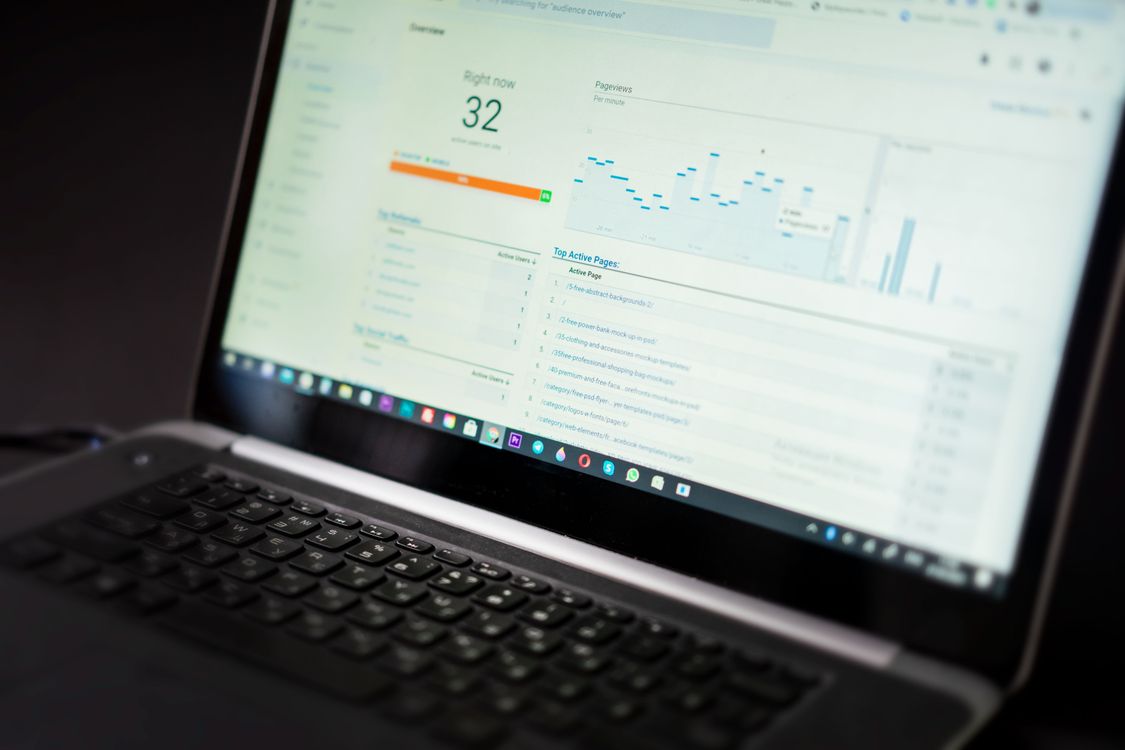
Open Search Console and look at the Performance report. Find queries where your page sits around position 8 to 20 with real impressions: Google already shows you, and a better page or a clearer title can push you onto page one. Then find pages in the top five with a low click rate and rewrite the title and description to say exactly what the page offers. Compare 28 days after each change with the 28 days before. This is the fastest free traffic there is.
2. Refresh pages that are losing visitors
Sort your pages by the change in clicks over the last 28 days. Open the biggest losers and look for what went stale: steps that no longer work, screenshots of a changed screen, a section a competitor now answers better. Update the substance, not just the date. A refreshed page often climbs again within weeks.
3. Answer the exact questions your customers ask
Look for queries where you get impressions but no page truly answers them, and check your own inbox: customer emails, WhatsApp messages, and sales calls are full of real questions. Write one page per question, and answer it in the first paragraph. A bakery owner who answers how far ahead to book a custom cake has a better chance of being the page Google shows than a generic cake article. If you are starting from scratch, our guide to choosing a domain name for a small business explains the first step.
4. Link your pages together so visitors keep reading
Every new page should link to two or three related pages on your own site, with natural anchor text. A visitor who finishes your cake-ordering guide should find your flavours page and your contact page without searching. Links also help Google understand how your pages relate. Fix orphan pages too: a page nothing links to may never be shown.
5. Earn links from other websites
When another site links to yours, their readers can click through, and Google takes it as a sign your page is worth showing. Earn links by writing a useful guest post for a blog your customers read, by offering your guide as a replacement for a broken link on a related site, and by making one page so useful that others want to reference it: a checklist, a template, or a plain-words guide. Never buy links. Paid link packages can harm your site, and Google treats them as a violation of its spam policies.
6. Share where your customers already spend time

Pick the one or two places your customers actually use, and show up there with something useful, not just links to your site. Turn one blog post into a short lesson on LinkedIn, a checklist graphic on Pinterest, or an answer in a Facebook group. Answer the question inside the community first, and link to your page only when it adds more. That is how social sharing can drive traffic to your website without a single ad.
7. Bring visitors back with email
Search and social send you strangers. Email sends you people who already said yes once. Add a sign-up form to your most visited pages, and offer one useful thing in return: a checklist, a template, or a short guide. When you publish something new, send it to the list with one sentence on why it helps them. Email is the one channel that can drive traffic to your website on demand, without waiting for a ranking, and no algorithm change can take it away from you.
8. Show up for local searches, and on Bing too
If you serve customers in a place, complete your Google Business Profile: correct address, hours, category, real photos, and replies to reviews. Google says local results rest on relevance, distance, and prominence, and that there is no way to pay for a better local ranking, so the work is the profile itself, plus the link to your site on it. Then add your site to Bing Webmaster Tools, which imports them from Search Console. Bing is smaller than Google, but the setup takes under an hour and the visitors are free.
A Worked Example: One Bakery Website, Before and After
Rina runs a small bakery. Her website had been live for a year, and most days it brought only a handful of visitors, all people who already knew the bakery.
Before. Her homepage ranked for nothing except her own business name. Her best advice, how to order a custom cake, how far ahead to book, what flavours travel well, lived only in WhatsApp chats. Her blog had three short posts from launch week and nothing since. Nobody linked to her site, and she had no email list.
After. She checked Search Console and found her flavours page sitting just off page one, so she rewrote its title and added the missing flavours. She turned her ten most asked WhatsApp questions into ten short pages, each answering one question in the first paragraph. She linked every page to the contact form, wrote one guest post for a local food blog, and added an email sign-up to her most visited page. Now her site answers the questions customers ask, and every new post reaches people who already know her. She still pays nothing for ads.
Nothing in this example needed a budget. Every step built free website traffic with time, not money.
If you would rather have the website built for you, our team builds fast WordPress websites that are ready for search from day one. Most business sites take about 14 days.
Get a WordPress Website Built to Bring You More Visitors
Your First Week: A Simple Starting Plan
Day 1: Set up Search Console and Analytics, and add the site to Bing.
Day 2: List the ten queries where you sit just off page one, and the five most-skipped results.
Day 3: Rewrite the five titles and descriptions, and start the change log.
Day 4: Improve the two pages with the most impressions, and link them from your strongest page.
Day 5: Refresh one page that is losing visitors, and send your best page to the list.
Four weeks later: Compare 28 days before and after for each changed page. A brand new site with no Search Console data should skip days 2 to 4 and start with ways 3, 6 and 7: answer real questions, share where customers talk, and start the email list. Search will build behind them.
How to Tell If It Is Working
Free traffic grows slowly, so measure it properly.
Keep a change log. One line per change: the date, the page, what you did. Without it, a rise three weeks later is impossible to explain.
Compare 28 days with 28 days. In Search Console, compare the period after a change with the same length before it, on the page you changed.
Read impressions first, then clicks. Impressions show whether Google shows the page more; clicks show whether people choose it. Organic traffic for small business sites usually moves in impressions first.
Split by channel. Search, referral, social, and email each answer for different ways, so check them separately.
Give each change a few weeks. Google's own starter guide says changes can show within hours or take months.
The Mistakes That Waste Your Time
Most free traffic efforts fail for the same reasons.
Publishing lots of thin posts. A dozen short posts that say the same thing as everyone else will not bring visitors. One useful page beats ten shallow ones.
Stuffing keywords. Repeating the same phrase in every sentence makes the page hard to read, and Google's spam policies treat it as manipulation. Write for the reader, and use each phrase once or twice.
Buying links. Cheap link packages harm your site and can get it penalised. Earn links instead.
Expecting instant results. Free traffic compounds over months. Quitting after three weeks throws away the work you did.
Chasing every channel at once. Trying search, five social platforms, video, and email in one week means none of them gets done well. Pick three channels and do them properly.
Ignoring the phone. Most visitors to a small business site arrive on a phone. A page that is hard to read there loses them before they finish the first paragraph.
Frequently Asked Questions
How long does it take to get more visitors without paying for ads?
No fixed timeline. Google's guide says changes can show within hours or take months. Email and sharing can send visits the same day, but search needs weeks to judge, and a new site needs months of work.
What is the fastest way to increase website traffic without ads?
Work on searches you already appear for: in Search Console, queries at position 8 to 20 with impressions, and top-five pages with a low click rate. Improving them shows results sooner than new pages, because Google already shows you.
How do I increase organic traffic to my website?
Fix pages Google already shows, refresh pages losing clicks, write new pages for questions with evidence, link them from your strongest pages, and check crawling. Add your site to Bing, complete your Business Profile, and measure changes over 28 days.
Can a new website get visitors without paying for ads?
Yes, but slowly. A new site gets visitors without ads by answering questions nobody else answers well, showing up where customers talk, and building an email list early. Search takes the longest, so start the other channels first.
Does social media really bring visitors to a website?
Yes, when the post itself is useful. Dropping bare links rarely works, because platforms keep people on their own network. Share a lesson, a checklist, or an answer inside the post, and link to your page only when it adds more.
Is Bing worth adding my site to for free traffic?
Yes, in under an hour. Bing Webmaster Tools imports sites from Search Console and verifies them. Bing is smaller than Google, but its visitors cost nothing, and IndexNow tells Bing at once when you add or change a page.
The Short Version
So, how to get more website visitors without paying for ads? Start with the pages Google already shows you, refresh the ones that are slipping, and answer the exact questions your customers ask. Link your pages together, earn links from other sites, share where your customers spend time, and bring visitors back with email. Measure every change over 28 days. That is website traffic without paid ads: slow at first, then steady, and yours to keep. Keep a simple note of what you change and when, so you can see which change helped and which change did nothing. Small steady work beats a rush of changes you cannot track.
Need help with your website, or would you rather have the whole site built for you? Talk to us and we will help you plan pages that turn clicks into enquiries.
WhatsApp: WhatsApp | Phone: +8801735127127 | Contact page | Email: info@raozanit.com
Related readings:
Written by Habib Ullah



0 Comments